15 Top-Rated Tourist Attractions in China


Ever since the world first discovered China through the writings of adventurer Marco Polo more than 700 years ago, this large Asian country has come to be regarded as the embodiment of all that is mysterious and exotic. Even now, after decades of economic growth, this vast country has lost none of its fascination. Indeed, the contrast between China's ancient customs and the new ultra-modern state that is developing has only increased the fascination with a culture that dates back many millennia.


It's a culture that is much celebrated by the Chinese themselves, as evidenced by the preservation of such important historic sites as the Forbidden City and the Summer Palace in Beijing, each recalling the days of China's emperors. And then, of course, there's the famous Great Wall, winding for 6,700 kilometers all the way from the Yellow Sea to Central Asia, while its countless shrines exude the spirit of age-old Eastern religions.


Thanks to its size, China as a tourist destination offers limitless scope for exploration. Whether you choose to travel aboard a luxury cruise ship through the picturesque Yangtze gorges, visit a bustling city, or seek out the tranquility of an ancient temple, this country is full of incredible experiences and sightseeing possibilities.


Discover fascinating, unusual, and adventurous things to do with our list of the top tourist attractions in China.


1. The Great Wall of China


"Nobody can be a true hero unless he has been on the Great Wall" goes the popular Chinese saying, one that clearly demonstrates the importance placed upon this unique ancient monument.


The magnificent Great Wall of China - known in Chinese as 'Changcheng', or the 'Long Wall' - stretches more than 6,000 kilometers from the fortresses of Shanhaiguan in the east all the way to Jiayuguan in the west, passing through Hebei, Tientsin, Beijing - where the best preserved sections of the wall can be visited - Inner Mongolia, Ningxia, and Gansu.


Averaging six to eight meters in height but rising as high as 16 meters - and wide enough in places for five horses or 10 men to pass - the wall boasts numerous battlements and watchtowers. Some of the wall's oldest fortifications date back as far as the 7th century BC, with the best-known areas added around 210 BC when its various sections were joined together.


Today, the most visited section of the wall is near Badaling Pass northwest of Beijing, easily reached by public transport or organized tours. Other restored sections worth a visit include the section near Gubeikou, 130 kilometers from Beijing; and in Mutianyu, just 70 kilometers northeast of Beijing.


Location: Huairou District, China


2. The Forbidden City & the Imperial Palace, Beijing


The Forbidden City


China's largest and most important building, the Forbidden City (Zǐjìnchéng) - also known as the Imperial Palace - is situated in the very heart of Beijing and is a must-see when visiting the country. Started during the Yuan Dynasty between 1271-1368, much of the complex seen today was built between 1406 and 1420. Really many splendid palaces in one, this sprawlinng complex was the residence of 24 Ming and Qing Emperors, whose presence forbade the entry of anyone other than the imperial family and their courtesans.


Covering some 720,000 square meters and protected by a 10-meter-high wall with watchtowers and a wide moat, this massive complex consists of areas set aside for ceremonial and administrative purposes, as well as a private residence used by the emperor. While it can take many hours to see everything, highlights include the five white marble Golden River Bridges; the Hall of Supreme Harmony, a 35-meter-tall building housing the imperial throne; and the exquisite emperor's banquet hall (the Hall of Preserving Harmony); and the Palace Museum with its large collection of art and artifacts from the Ming and Qing dynasties (English language museum tours are available).


Other important attractions in the vicinity of the Imperial Palace include famous Tiananmen Square, and the Temple of Heaven, one of the country's most important religious sites, which dates back to the 15th century.


Address: 4 Jingshan Front St, Dongcheng, Beijing, China


3. The Terracotta Army, Xi'an


It was while digging wells on the outskirts of Xi'an in the 1970s that farmers stumbled across what was to be China's most important archeological find: the Terracotta Army. Distributed over three large underground pits and built to guard the First Emperor's tomb, the find included more than 8,000 life-size warriors, some 520 horses, and more than 100 chariots, along with numerous other non-military characters dating from around 280 BC.


Although some were severely damaged due to the passing of time, many of the statues unearthed have been painstakingly re-assembled and stand as testament to the importance bestowed upon the emperor and the afterlife. The site - part of the Emperor Qin Shi Huang's Mausoleum Site Park - is one of China's most important tourist destinations and offers the unforgettable experience of standing in front of this assembly of soldiers and horses as if inspecting a centuries-old parade. English language guided tours are available.


Address: Lintong District, Xi'an, Shaanxi, China


4. The Summer Palace, Beijing


An easy 15-kilometer commute from Beijing, the sumptuous Imperial Summer Palace (Yíhé Yuán) is set amid more than 700 acres of beautiful parkland and is one of China's most visited attractions. While the palace itself was built in 1153, its large lake was added in the 14th century to enhance the Imperial Gardens.


Highlights include the magnificent Hall of Benevolence and Longevity (Renshou Dian), with its throne; and the beautiful Great Theatre, a private three-story structure built in 1891 to satisfy the imperial family's love of opera. This historic venue is still used for performances of traditional Chinese plays and musical events, and is worth a visit for a performance or show.


Other highlights include the Hall of Happiness and Longevity (Le Shou Tang Hall), with its lovely gardens and courtyards, as well as many miles of picturesque pathways and walking trails. If time allows, try to also take in the ruins of the Old Summer Palace, said to have once been one of the country's most elaborate and architecturally attractive palaces. Sadly, this once impressive structure was destroyed by colonial forces in the mid-1800s.


Address: 19 Xinjiangongmen Rd, Haidian District, China


5. Cruising the Li River, Guilin


The town of Guilin, in the northeast corner of Guangxi, boasts some of China's most beautiful countryside and is famous for the Li River, which meanders through the town and surrounding karst mountains. While for hundreds of years this unique scenery has attracted poets and artists and has been the subject of countless fairy tales and legends, these days, it's popular with tourists from around the world wanting to see this natural splendor up close.


The best way to enjoy the area is to take a cruise along the Li River. The most popular stretch is from Guilin to Yangshuo, where the river meanders peacefully through some 80 kilometers of remarkable rock formations and caves with romantic names such as the Mount of Unique Beauty, Elephant Trunk Hill, and Reed Flute Cave. Depending upon the type of boat used - you can choose from a tourist cruise ship to small bamboo punts - trips can take anywhere from a few hours to multiple days.


6. Chengdu Research Base of Giant Panda Breeding, Sichuan


to China would be complete without at least one panda experience. While the country's top zoos boast many fine specimens of these fascinating creatures, the best place to see them in a close approximation to their natural habitat is at the excellent Research Base of Giant Panda Breeding in Chengdu, located in the province of Sichuan. Here, you'll have the chance to watch as many as 80 pandas go about their daily routines, from foraging to playing in the facility's large park-like setting.


In addition to viewing these splendid animals up close, you'll learn a great deal about them from the many permanent exhibits and displays detailing ongoing conservation efforts to safeguard their future.


If possible, try to time your visit for the morning feeding sessions when the pandas are at their most active. Better still, sign-up for one of the unique experiential volunteer programs that will have you involved in the feeding and care of these cuddly creatures - and possibly even holding a baby panda. English language tours are available.


Address: 1375 Xiongmao Ave, Chenghua District, Chengdu, Sichuan, China


7. The Yangtze River and the Three Gorges


Known in China as Chang Jiang ("Long River"), the mighty Yangtze River extends more than 6,000 kilometers, making it the longest and most important river in China and the third longest in the world after the Amazon and the Nile.


Flowing from Tibet in the west to Shanghai in the east through eight provinces, the Yangtze has, for more than 2,000 years, been China's major transportation route (some 2,700 kilometers are navigable). Its vast catchment area, with its 700 tributaries, cover about one-fifth of the total area of the country and encompass a quarter of the country's agricultural land.


While its immense length ensures the river can be visited at numerous points in China, by far the most popular for tourists is the beautiful Three Gorges - Qutang, Wu, and Xiling - a 200-kilometer stretch between the towns of Fengjie and Yichang. In places a mix of raging torrents and dangerous shallows, here the river winds its way through the gorges and their rugged cliffs and high mountain peaks in a stretch of scenery as dramatic as the Grand Canyon.


Numerous sightseeing options are available, from luxurious riverboat cruises focusing on the region's many historical attractions and places of scenic beauty to challenging adventure tours along the most dramatic sections of the river.


8. The Classical Gardens of Suzhou, Jiangsu


Considered one of the world's most important historic gardens - hence their designation as a UNESCO World Heritage Site - the Classical Gardens of Suzhou should rank highly on your China travel itinerary. Located in the historic city of Suzhou in Jiangsu province, these magnificent gardens were established in the 11th century, at a time when the city was experiencing unprecedented growth, and were among some 270 or more gardens planted here.


Of the surviving restored gardens, the most famous is the delightful Garden of Lingering, a seven-acre site laid out in 1800 on the site of a park originally created during the Ming Dynasty. One of the most famous garden complexes in China, the garden boasts a pool, several attractive buildings, a man-made hill, a grove of peach trees, and a lovely covered pathway on the walls of which hang more than three hundred stone tablets engraved with old Chinese characters.


Also worth visiting is the Garden of the Cang Lang Ting Pavilion, a two-acre garden offering many unique features, including a double arcade connecting the inner and outer sections.


Address: 178 Dongbei St, Gusu District, Suzhou, Jiangsu, China


9. The Potala Palace, Tibet


Another of China's most recognizable historic structures is the magnificent Potala Palace in the town of Lhasa, Tibet. Constructed as a fortress and residence for the Dalai Lama, it was for centuries a center of political and religious power and contains many of the religion's most important treasures.


The first of the two Potala Palaces, the Red Palace, was built in the 17th century and contains the complex's most important shrines. These are found in the Enthronement Hall, the walls of which are covered with murals depicting scenes from the lives of the Dalai Lamas and the Tibetan kings. Other highlights of the Red Palace are its many vast halls devoted to the religion's teachings, and the elaborate tombs (known as "stupas") of a number of Dalai Lamas.


The equally impressive White Palace was completed in 1648 and includes the sleeping quarters, studies, and reception rooms, most untouched since 1959 when the Dalai Lama fled Tibet. While in Lhasa, be sure to visit the superb Jewel Gardens. Part of the Dalai Lama's summer residence, these 90-acre gardens were first started in the 1840s and encompass everything from grand palaces and pavilions to pleasant lakes.


Address: 35 Central Beijing Road, Lhasa, Tibet, China


10. Shanghai's Promenade: The Bund


A remarkable act of smart city planning and preservation can be seen in Shanghai's splendid riverside promenade, the Zhongshan Lu, perhaps better known as the Bund (Wàitan). As you stroll this wide pedestrian zone along the Huangpu Jiang River, you'll almost forget you're bang-smack in the middle of China's largest city (Shanghai's population exceeds 24 million people).


Famous for its European feel, a fact owed to the district's past as the location of the city's International Settlement, the Bund is popular for its 52 preserved English- and French-influenced buildings, many now restaurants, cafés, stores, and art galleries. Representing a variety of influences from Gothic to Renaissance styles - including a number of Art Deco buildings - the architecture includes highlights such as the old harbor customs office, with its bell tower, and the majestic Peace Hotel.


For the best views of the Bund, visit the 468-meter Oriental Pearl Tower on the opposite bank of the Huangpu Jiang River. If time allows, be sure to also visit the Yu Garden. Known affectionately as the "Garden of Happiness," this must-see garden can trace its roots back to 1559 when it was laid out. Many of the original structures survive to this day.


Address: Zhongshan East 1st Rd, Wai Tan, Huangpu, Shanghai, China


11. Hangzhou's Historic West Lake


Few cities in China can boast quite the same concentration of splendid historic sites and ancient temples as the city of Hangzhou (Hangchow). Capital of Zhejiang province and located at the southernmost end of China's famous Grand Canal, much of this rich collection is gathered around lovely West Lake, a six-kilometer-square stretch of water in the heart of the old city, which is surrounded by numerous hills, pagodas, and temples.


Divided into five distinct sections by man-made causeways dating back as far as the 11th century, it's a marvelous area to explore on foot as you cross from one stretch of water to the next, only to be met with another cluster of fine old buildings. It's particularly pleasant in spring when its many peach trees are blossoming.


Part of the fun is lingering on the lake's many fine old bridges, one of the best being the Broken Bridge (Duanqiao) linking the Baidi Causeway with the shore, and exploring Little Paradise Island with its four mini-lakes linked by the zigzagging Bridge of the Nine Arches.


Be sure to hop aboard one of the many tour boats and small pleasure craft available to whisk you around the lake. And if time permits, stick around for the fun musical fountain show held each evening.


Read More: Top-Rated Tourist Attractions in Hangzhou

12. The Mausoleum of Light: The Northern Imperial Tomb, Shenyang


In China's mountainous northeastern region is the old city of Shenyang. This important center for trade and culture is home to the Mausoleum of Light (Zhaoling), also known as the Northern Imperial Tomb. One of northeastern China's most important historic sites - it's included on the UNESCO World Heritage Site's list of Imperial Tombs of the Ming and Qing Dynasties - the tomb is noted for its unique architectural style: a combination of traditionally arranged Chinese burial sites and castle-like buildings of the early Qing period.


Buried here in a vast site covering more than 180,000 square meters that took eight years to complete is Emperor Huang Taiji, who reigned from 1626-35. The site is notable for its 'Path of Souls', a laneway lined with stone columns and sculptures of the emperor's favorite horses.


Another important site is the imposing Imperial Palace dating from the early Qing era, the second largest completely preserved palace complex in China after the Imperial Palace in Beijing. The complex served as a residence for the first Qing Emperors and includes several splendid courtyards around which are grouped numerous buildings, including the Hall of Exalted Government (Chongzheng Dian) housing the imperial throne.


Location: Huanggu District, Shenyang, China


13. Leshan Giant Buddha, Sichuan


"The mountain is a Buddha and the Buddha is a mountain." So goes the famous Chinese saying, one that's attributed to the spectacular 71-meter-tall Leshan Giant Buddha. And it certainly makes sense as you stand at its feet as the colossal statue towers high above you.


Started in AD 713 by a Buddhist monk and completed 90 years later, this important religious icon is carved entirely from a stone cliff-face and is the largest Buddha sculpture in the world. Representing the Buddha Maitreya, the statue is even more dramatic given its location overlooking the river that it was designed to appease (it had often proven treacherous for shipping).


Designated a UNESCO World Heritage Site, the Giant Buddha continues to draw huge numbers of pilgrims from across the globe and is widely regarded as one of China's must-visit attractions. Easily accessible from the city of Chengdu, the Leshan Giant Buddha can be reached by a fun ferry trip from the public docks in Leshan. The scenic park in which the Buddha is set is also worth exploring, so be sure to allocate sufficient time in your itinerary.


Address: 2345 Lingyun Rd, Shizhong District, Leshan, Leshan, Sichuan, China


14. The Hong Kong Skyline


Widely considered one of the world's most dramatic city skylines - as much a result of its having one of the highest concentrations of skyscrapers as it is the presence of the tall hills that frame them - Hong Kong has for decades been the bustling capital of finance and commerce in this part of the Pacific. And it's a cityscape that can be enjoyed from a number of different vantages.


One of the best views is from Victoria Peak on Hong Kong Island, where the skyscrapers frame the city's huge harbor, a special treat after nightfall. Equally stunning is the view from Victoria Harbour itself. Here, you can hop aboard one of Hong Kong's famous ferries and head to various points to wander and explore, such as Kowloon. Or you can simply stay on board and enjoy the views.


If possible, try to time your trip to coincide with the nightly laser extravaganza, a stunning 360-degree laser-light show that uses the harbor's skyscrapers as a magical backdrop. For the best views, try to catch the show from the Kowloon side of Victoria Harbour.


Read More: Top-Rated Tourist Attractions in Hong Kong

15. Zhangjiajie National Forest Park, Hunan


When you first set eyes on Zhangjiajie National Forest Park in Hunan province, it's certainly not difficult to see how filmmaker James Cameron was able to draw inspiration from it. Cameron's box office hit, Avatar, could well have been set in this area of stunning natural beauty, its many unique pillar-like rock formations looking like some incredible alien landscape right out of a sci-fi movie. One of the tallest pillars, standing at an impressive 1,080-meters, has been renamed "Avatar Hallelujah Mountain."


This is one of the lesser known places to visit in China, but it's well worth the effort to get here. In addition to its many natural wonders, which can best be explored as part of an organized tour, the park boasts a number of new man-made attractions. The first to be built was the Bailong Elevator, aka the "Hundred Dragons Sky Lift." Elevating groups of up to 50 people 326 meters skyward in under two minutes, it's an impressive structure, and one that offers dramatic views all the way.


Also notable is the Zhangjiajie Grand Canyon Glass Bridge. Opened in 2016, it's heralded as the world's highest and tallest pedestrian bridge. Standing 300 meters above the ground and extending 430 meters along a spectacular cliff face, it's an attraction that's definitely not recommended for the faint of heart but one of the best things to do if you are looking to add a little adventure to your day.


Location: Wulingyuan District, Zhangjiajie, Hunan, China

15 Top-Rated Tourist Attractions in Australia

 Australia is a land of dreams. From the sacred legends of the Aboriginal Dreamtime, when the great spirits conjured the coral reefs, rainforests, and red deserts, to armchair travelers who describe Australia as their dream destination, the Land Down Under deserves all the hype. The world's smallest continent and largest island, Australia is almost the same size as the United States but with a population the size of New York State and some of the quirkiest wildlife on the planet.

Australia is also a land of staggering contrasts and spectacular beauty. Along the coast, you can explore vibrant cities, vast sand islands, ancient rainforests, and one of the planet's most awe-inspiring natural wonders: the Great Barrier Reef. In the Outback, rugged national parks and red-earthed deserts offer the ultimate in adventure travel.

Top it all off with a laid-back feel and friendly people, and it's no wonder Australia scores top billing on bucket lists around the world. Create your own adventures with our list of the top attractions in Australia.

1. Sydney Opera House, New South Wales

Sydney Opera House
Sydney Opera House

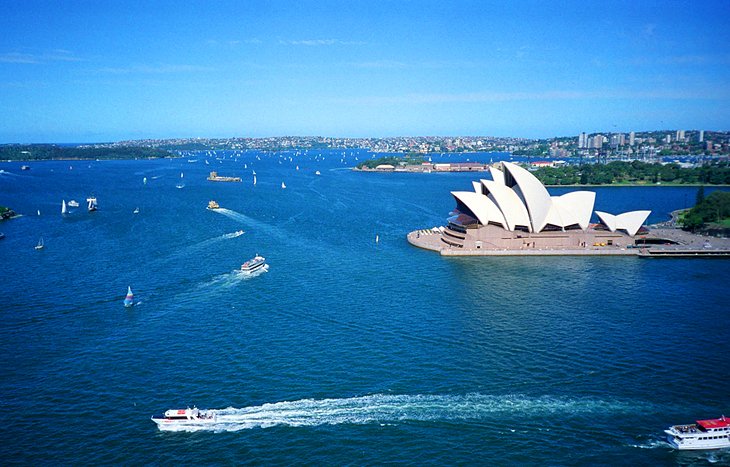
Mention "Sydney, Australia" and most people think of the Opera House. Shaped like huge shells or billowing sails, this famous building on Sydney's Bennelong Point graces the list of UNESCO World Heritage Sites and is one of the world's great architectural icons.

The location is stunning. Water surrounds the structure on three sides, and the Royal Botanic Gardens border it to the south.

Danish architect, Jørn Utzon won an international competition for its design but withdrew from the project after technical and financing problems. Construction was finally completed in 1973 at a cost 10 times the original budget. By this time, Utzon had left the country, never returning to see his magnificent creation.

Today, you can enjoy a performance here, dine at one of the restaurants, or see the  on a guided tour. The structure encompasses theaters, studios, a concert hall, exhibition rooms, and a cinema.

Touring the interior of the Sydney Opera House is rewarding, but its striking architecture is perhaps best appreciated from a distance. One of the best sites to photograph this top Sydney tourist attraction is Mrs Macquarie's Chair in the Royal Botanic Gardens, or you can hop aboard a harbor cruise or ferry and capture a photo from the water as you glide past.

Currently, the Sydney Opera House is undergoing a 10-year, $275-million upgrade, but it will continue to operate during the restoration.

2. Great Barrier Reef Marine Park, Queensland

Great Barrier Reef Marine Park

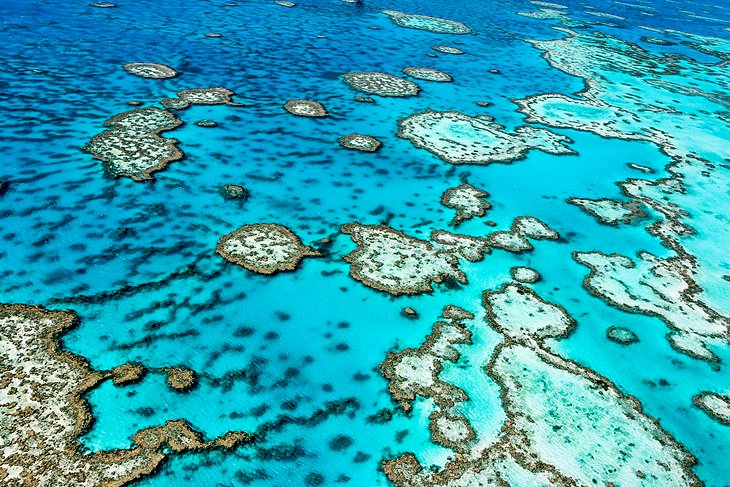
You can't leave Australia without seeing the Great Barrier Reef. This World Heritage-listed natural wonder is one of the largest living structures on the planet. It's so vast, you can see it from outer space. For divers, snorkelers, island aficionados, and nature lovers, it's a bucket list destination.

In 1975, the Great Barrier Reef Marine Park was established to protect its fragile ecosystems. These include more than 3,000 coral reefs; 600 continental islands, including the beautiful ; 300 coral cays; and inshore mangrove islands.

One of the , the park stretches for 2,300 kilometers along the state of Queensland, on Australia's east coast (that's about the distance between Mexico and Vancouver).

Not surprisingly, the Great Barrier Reef is one of the best places to visit in Australia for diving and snorkeling. The astounding array of marine life includes soft and hard corals, more than 1,600 species of tropical fish, sharks, dugongs, dolphins, turtles, rays, and giant clams. Prefer to stay dry? You can see the reef from underwater viewing stations and glass bottom boats.

Travelers have many options for . You can cruise around the islands, hop aboard a sightseeing flight, take day trips to the islands, or snorkel and dive the reefs. On the mainland, the main launching points for tours are , and Airlie Beach.

3. Uluru-Kata Tjuta National Park, Northern Territory

Uluru (Ayers Rock)
Uluru (Ayers Rock) | Photo Copyright: Brian Hastings

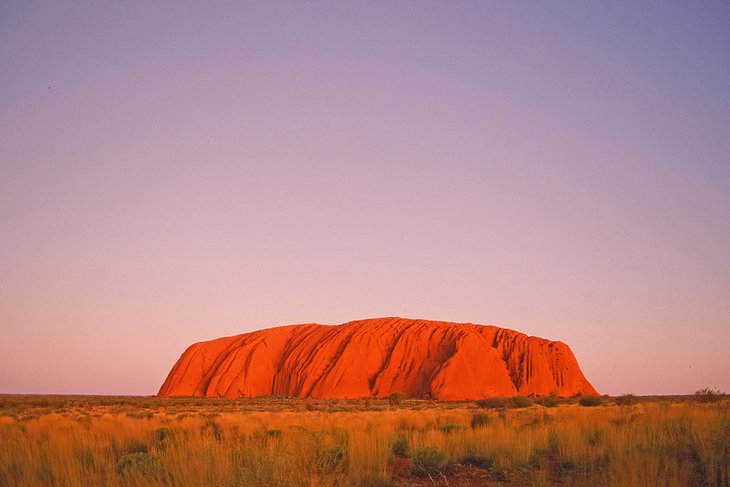
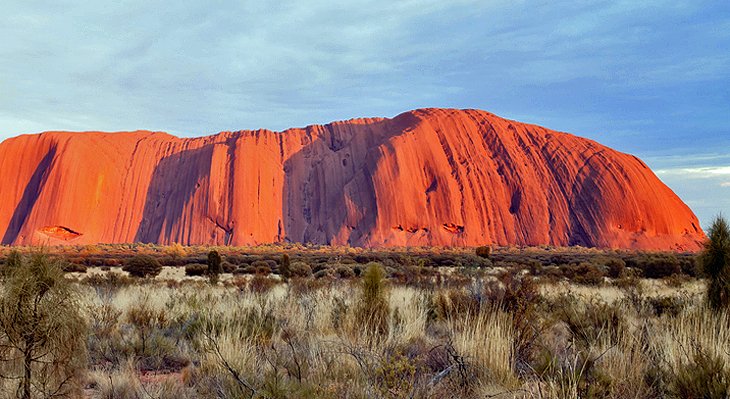
Deep in the heart of Australia's Red Centre, Uluru (formerly Ayers Rock), is one of the most photographed natural wonders in the country. The striking red monolith forms the centerpiece of Uluru-Kata Tjuta National Park, a World Heritage Site jointly managed by Parks Australia and the traditional landowners, the Aṉangu people.

Uluru, meaning "shadowy place" in the local Aboriginal dialect, rises to a height of 348 meters from the surrounding plain. Most of its bulk is hidden beneath the earth's surface.

Uluru-Kata Tjuta National Park

Also in the park are the red dome-shaped rocks called Kata Tjuta (the Olgas).

As the sun dips in the sky, sightseers gather to watch the colors of Uluru and Kata Tjuta transform in the shifting light. A great way to appreciate these sacred sites is to join a tour led by Aboriginal guides and rangers.

4. Sydney Harbour Bridge, New South Wales

Sydney Harbour Bridge

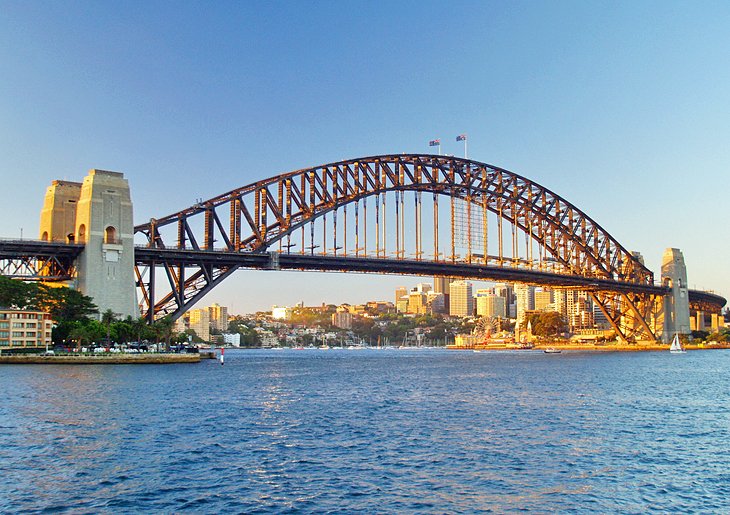
Along with the Opera House, the Sydney Harbour Bridge is one of Australia's top architectural icons. Affectionately called "the Coathanger," this impressive feat of construction is the largest steel arch bridge in the world. It was completed in 1932, 40 years before the Sydney Opera House.

One of the top things to do in Sydney is a guided ascent to the top of the bridge, where you can enjoy spectacular views over the harbor and city. Rising 134 meters above the harbor, the bridge spans 500 meters, connecting Sydney's North Shore to the central business district. In addition to the pedestrian path, two railway lines extend over the bridge, as well as eight lanes for road traffic, and the direction of each lane can be switched to accommodate traffic flow.

For an overview on the bridge's history and construction visit the museum in the southeastern pier.

Fun fact: Paul Hogan, of Crocodile Dundee fame, worked as a painter on the bridge before rocketing to international stardom.

Read More: 

5. Blue Mountains National Park, New South Wales

Three Sisters, Blue Mountains National Park
Three Sisters, Blue Mountains National Park | Photo Copyright: Karen Hastings

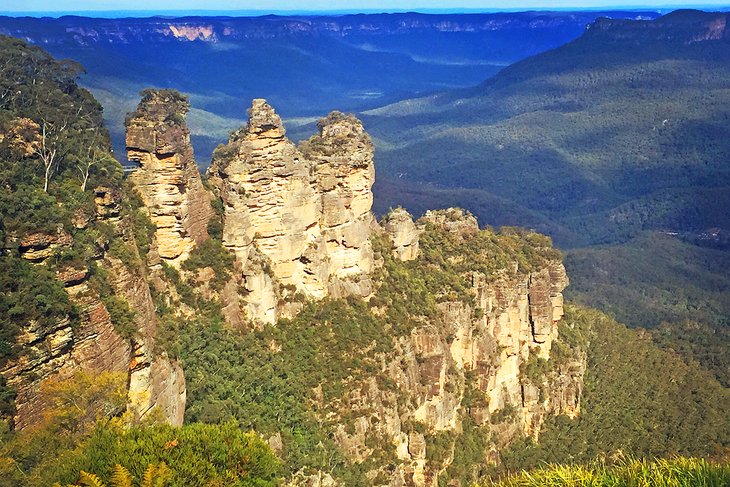
UNESCO World Heritage Site, beautiful Blue Mountains National Park is a hiker's paradise and a popular . It lies an easy 81-kilometer drive west of the city.

Named for the blue haze emanating from the many eucalyptus trees, this stunning park protects more than 664,000 acres of wilderness. On a visit here, you can explore dramatic gorges, waterfalls, Aboriginal rock paintings, and 140 kilometers of hiking trails.

Blue Mountains National Park

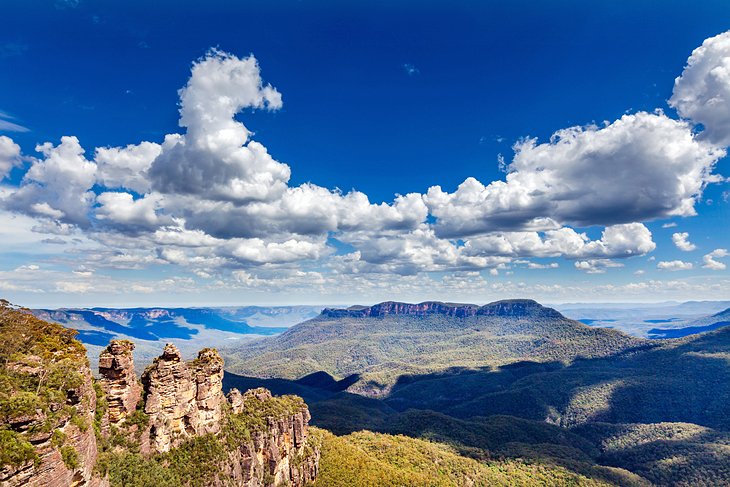
The most  are the towering sandstone rock formations called the Three Sisters. Other highlights include the Katoomba Scenic Railway, the world's steepest, which whisks passengers down the Jamison Valley through a cliff-side tunnel into an ancient rainforest; and the Skyway, Scenic Cableway, and Scenic Walkway, which all offer elevated views of the dense forests.

Hiking, abseiling, rock climbing, mountain biking, and horseback riding are all popular things to do in the park.

6. Melbourne's Culture, Victoria

Melbourne
Melbourne

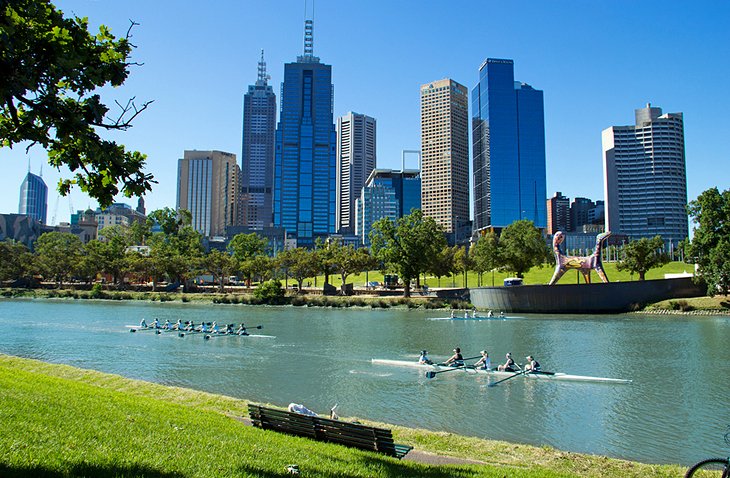
Melbourne, Australia's second largest city, is a popular stop on many - especially for culture vultures. Galleries, theaters, restaurants, shops, and its distinctly European feel are the main draws of this sophisticated city on the Yarra River. It's also a green city, with parks, gardens, and open spaces occupying almost a third of its total area.

The cultural highlights of Melbourne are many. Gape at the masterpieces at the National Gallery of Victoria, watch a performance at Arts Centre Melbourne, or head to Federation Square. Here, you can browse Australian artworks at the Ian Potter Gallery and learn about the nation's screen culture at the Australian Centre for the Moving Image (ACMI).

Feel like getting back to nature? Follow the Aboriginal Heritage Walk at the Royal Botanic Gardens. And if sports culture is top of your agenda, catch a game at the Melbourne Cricket Ground. In summer, cricket is the sport of choice; in winter, it's Australian Rules football.

Melbourne is also rich in history. You can see it in the Grand Victorian buildings funded by the Gold Rush, and you can feel it as you shop in the elegant arcades and the Queen Victoria Market, which has been selling goods to Melburnians for more than a century.

Read More: 

7. Bondi Beach, New South Wales

Bondi Beach
Bondi Beach

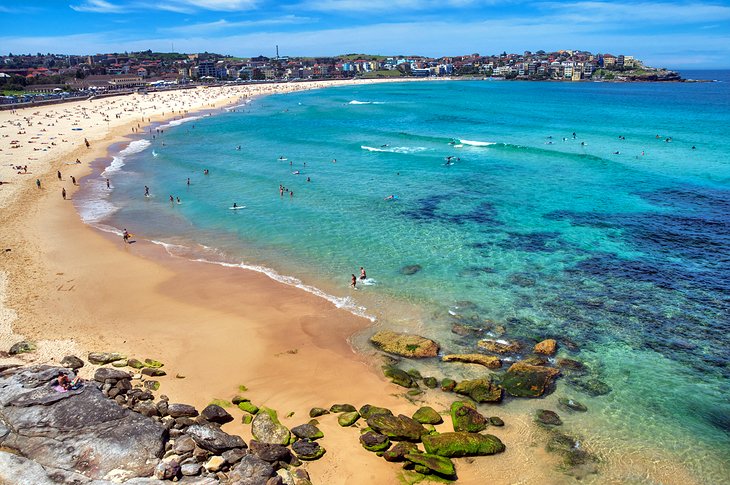
Bronzed bodies, blond sand, backpackers, and surf - throw it all together and you get one of the world's most famous beaches. Only 15 minutes by car from Sydney's city center, Bondi Beach is a great spot for a taste of Sydney's beach culture. Bask on the golden sands, surf the breaks, or take a cool dip on a hot summer's day (but stay between the flags).

Few cities in the world lay claim to such an enticing slice of sand and sea so close to the city. No wonder it's one of . And you'll find some history here, too: Bondi hosts one of the oldest surf life saving clubs in the world.

Away from the shore, you'll find plenty of things to do in Bondi. Take a stroll along the Bondi to Bronte coastal walk. It begins at the southern end of the beach and follows the coastline for six scenic kilometers along sandstone cliffs. And if you work up an appetite, you'll find plenty of cafés and restaurants nearby. You can also hunt for bargains at the Sunday markets or swim some laps in the ocean pool.

Bondi also has a wild side. Crowds of tourists and locals gather here to celebrate Christmas, and ring in the New Year. It's a favorite spot for travelers.

A word to the wise: If you're taking a dip at Bondi, make sure you swim between the red and yellow flags. Strong rip tides often sweep unsuspecting swimmers out to sea, especially at the southern end of this kilometer-long strand. There's a reason the Aussies made a reality TV show called Bondi Rescue.

8. Daintree National Park, Queensland

Daintree National Park

Wet Tropics World Heritage Area, Daintree National Park in Far North Queensland is among the most ancient ecosystems on Earth. The area belongs to the Eastern Kuku Yalanji Aboriginal people, and many of its natural features hold great spiritual significance.

The park encompasses two main sections: Mossman Gorge, where crystal-clear waters gush over granite boulders, and Cape Tribulation, one of the most beautiful places to visit in Australia. Here, rainforest meets reef along the white sandy beaches of the Coral Sea. This stunning stretch of coast is one of the few places in the world where two of the planet's richest ecosystems converge.

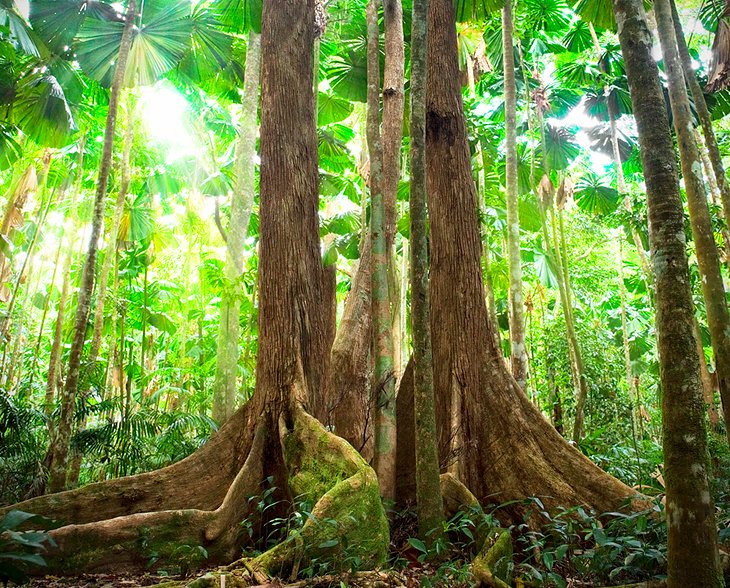
The park's astounding biodiversity includes more than 18,000 plant species and a vast array of animal species, including the cassowary, crocodile, giant blue Ulysses butterfly, and the secretive Bennett's tree kangaroo.

The resort town of  just south of the park, is a great base to arrange wilderness safaris into the park.

9. K'Gari (Fraser Island), Queensland

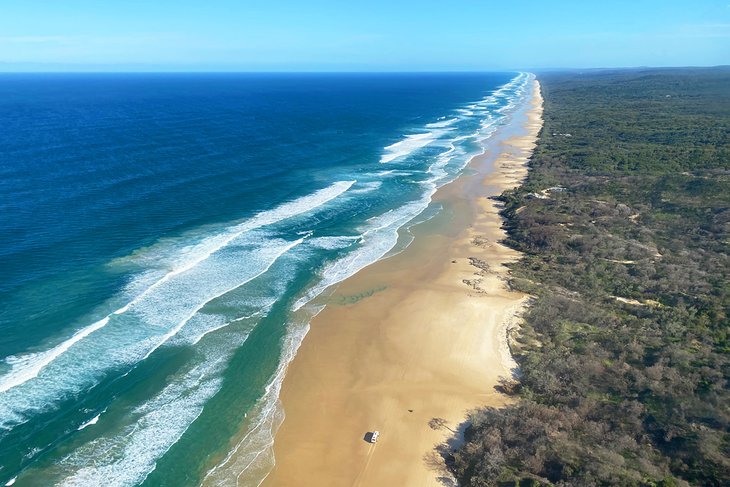
Aerial view of K'Gari (Fraser Island)
Aerial view of K'Gari (Fraser Island) | Photo Copyright: Karen Hastings

World Heritage-listed K'Gari (Fraser Island) is one of the most unique places to visit in Australia. Sitting between Bundaberg and Brisbane off Australia's east coast, this is the largest sand island in the world. Here, you'll find seemingly endless stretches of sand and sea, turquoise lakes, emerald rainforests, rippling dunes, and fascinating wildlife.

Looking for an adrenaline rush? A 4WD trip along its surf-thrashed shores is one of . Along windswept Seventy Five Mile Beach, you can see the rusted hulls of shipwrecks, the colored sandstone cliffs of The Cathedrals, and the bubbling fish-filled rock pools called Champagne Pools.

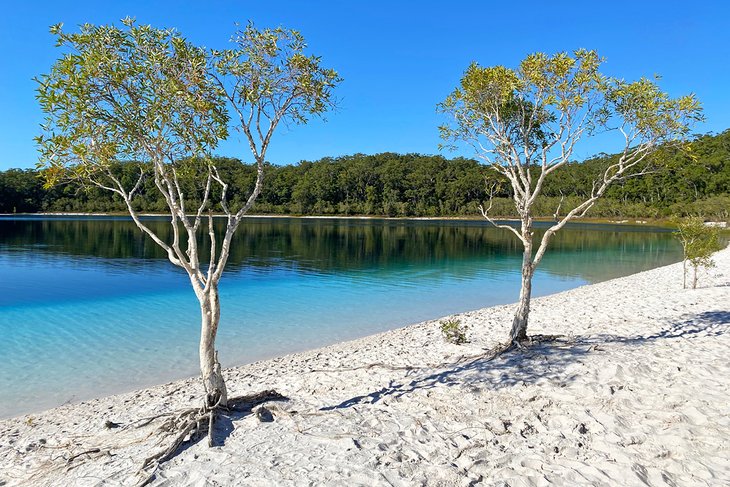
Venturing inland is just as exciting. Highlights include crystal-clear freshwater creeks and lakes, some fed by springs, others perched amid towering sand dunes; and ancient rainforests filled with an amazing diversity of plants and animals.

Lake McKenzie in the middle of K'Gari (Fraser Island)
Lake McKenzie in the middle of K'Gari (Fraser Island) | Photo Copyright: Karen Hastings

Sharks, dolphins, and whales swim the waters, and on land, you can see dingoes, bats, sugar gliders, and more than 300 species of birds.

Nature lovers will find plenty of other . Hop aboard a whale watching trip, take a sunset cruise, hike the rainforest trails at Central Station, float down Eli Creek, or soar over the striking landscapes on a scenic flight.

Access to Fraser Island is by ferry from Rainbow Beach and , the two main gateway towns. Four-wheel drive vehicles are essential, as the island has no sealed roads.

10. Kakadu National Park, Northern Territory

Kakadu National Park

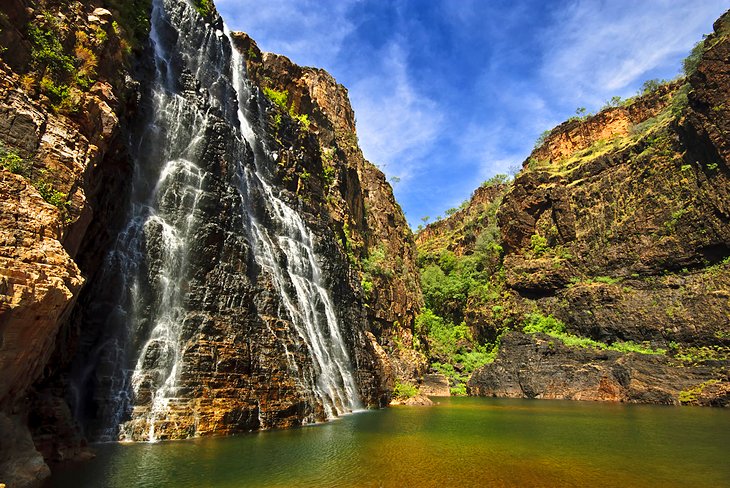
When it comes to wilderness areas, Kakadu National Park showcases the best of Australia. Covering more than 19,840 square kilometers in the Northern Territory, it's the second largest national park in the world. Within its borders, you can explore monsoon rainforests, mangrove swamps, rivers, gorges, ancient rock paintings, wetlands, and waterfalls.

Kakadu is also home to an astounding diversity of wildlife. In addition to the many mammals, reptiles, and fish, more than 300 different species of birds make their home here, and both freshwater and saltwater crocodiles lurk in the wetlands.

To explore the park's diverse ecosystems, hop aboard a cruise along the waterways, or hike the vast network of trails. You can also take a scenic flight.

the is easy during the dry season. It's about a three-hour drive from the Northern Territory capital. In  wet season (Nov-April), many roads and attractions close due to heavy flooding, but the waterfalls and wetlands can be at their best.

  • Read More:

11. Great Ocean Road, Victoria

Great Ocean Road
Great Ocean Road

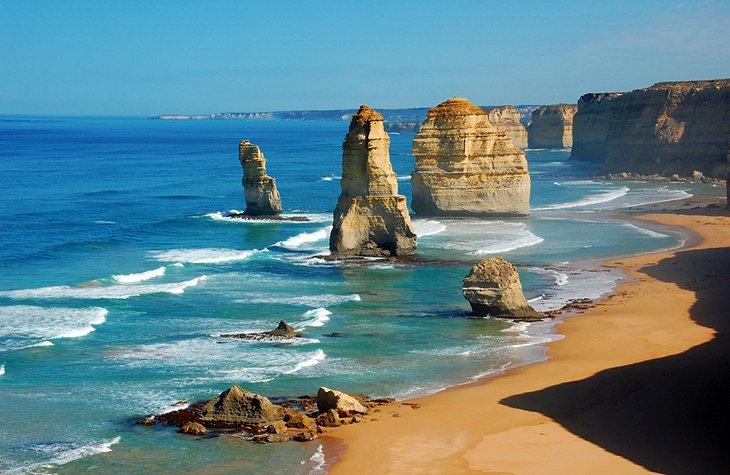
Great Ocean Road is one of the world's top scenic drives. Built to provide employment during the Depression, the road stretches for 300 kilometers along Australia's rugged southeast coast, winding along plunging sea cliffs. It stretches from the surfing town of Torquay to the town of Allansford, near Warrnambool.

One of the  is Port Campbell National Park. This is where you can see the wind- and wave-sculpted rock formations known as the Twelve ApostlesLondon Bridgethe Arch, and Loch Ard Gorge. From the air, these rock formations look like giant puzzle pieces adrift along the coast, lashed by the pounding surf of the Southern Ocean.

You'll find plenty of rewarding things to do along Great Ocean Road. Stop by the Australian National Surfing Museum at Torquay, surf the famous swells at Bells Beach, linger in the seaside resort of Lorne, or go whale watching in Warrnambool. Nature lovers will also enjoy exploring the eucalyptus forests, fern-filled rain forests, hiking trails, and waterfalls in Otway National Park.

12. Broome, Western Australia

Broome and the Kimberley region
Broome

Broome, in Western Australia's north, was once the pearl capital of the world. Today, it's a booming tourist town and the gateway to the spectacular Kimberley region.

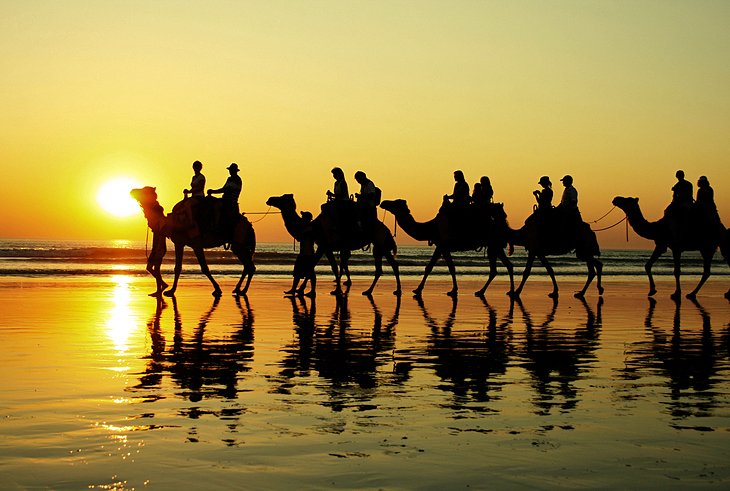
Broome's star tourist attraction is Cable Beach. This seemingly endless stretch of white sand and turquoise water is one of , and riding camels at sunset is one of the most popular things to do here.

Tourists also flock to Town Beach to witness the Staircase to the Moon. This phenomenon occurs during certain conditions between March and October, where the moonlight creates an optical illusion of steps leading to the moon.

Other  include the red cliffs of Gantheaume Point, and the Malcolm Douglas Crocodile Park, where you can get up close to crocs, cassowaries, and kangaroos. If you're looking for things to do in town, you can brush up on some local history at the Broome Historical Museum or catch a movie in a deck chair under a star-studded sky at Sun Pictures.

Pearl farm tours, whale watching trips, and Kimberley adventures are also high on the things to do list in Broome.

  • Read More: 

13. Kangaroo Island, South Australia

Kangaroo Island
Kangaroo Island

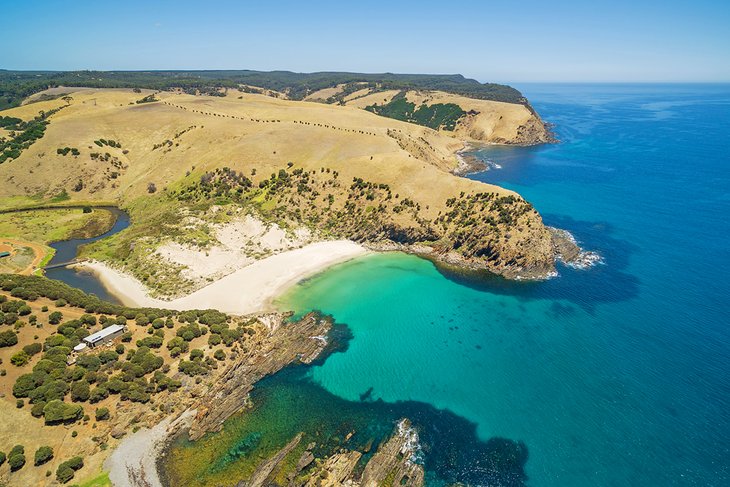
Nature takes center stage at Kangaroo Island. On this unspoiled island off South Australia's Fleurieu Peninsula, kangaroos hop along the powdery shores, sea lions and penguins frolic in the crystal-clear waters, and koalas cling to the fragrant eucalyptus trees.

Diving is also excellent. You can spot sea dragons in the temperate waters, and dive shipwrecks off the island's coast.

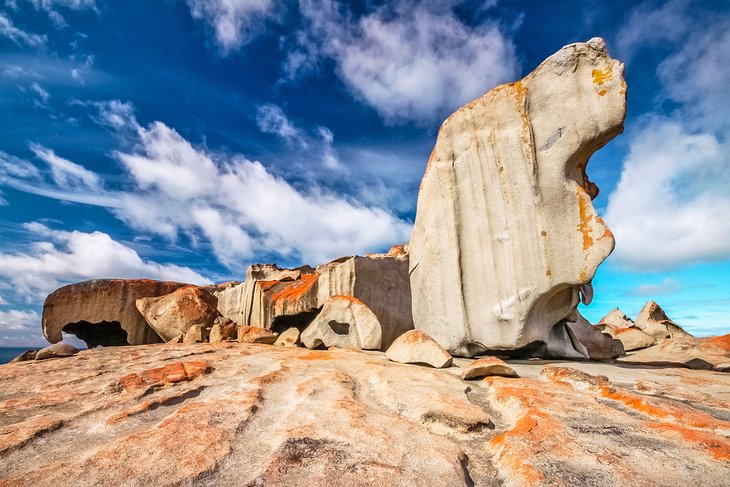
are made by Mother Nature. See the striking, wind-sculpted rock formations, known as the Remarkable Rocks and Admirals Arch in Flinders Chase National Park. Explore vast cave systems. Surf towering dunes and look for wildlife on scenic hiking trails along soaring sea cliffs and through pristine forests.

Remarkable Rocks, Kangaroo Island

Foodies, too, will be in heaven. Creamy cheeses, Ligurian honey, and fresh seafood grace the plates in local restaurants.

To get here, you can fly direct to the island from Adelaide, or catch a ferry from Cape Jervis on the Fleurieu Peninsula.

In 2020, bushfires devastated Kangaroo Island, but the island is well on the way to recovery, and attractions are once again open for business.

  • Read More: 

14. Cradle Mountain-Lake St. Clair National Park, Tasmania
Cradle Mountain-Lake St. Clair National Park

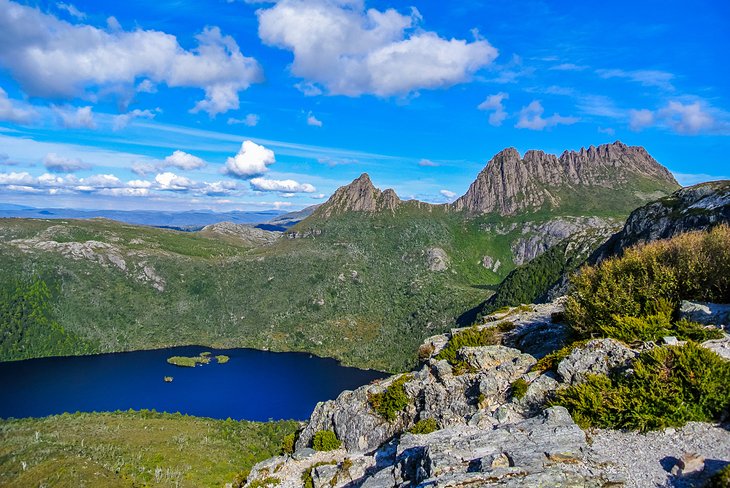
Cradle Mountain-Lake St. Clair National Park is one of  and a nirvana for nature lovers. Sparkling lakes, serrated dolerite peaks, alpine heathland, and dense forests characterize the raw, glacier-carved wilderness here. One of the park's most distinctive features is 1,616-meter Mount Ossa, the highest point in Tasmania.

As you might expect, hiking here is fantastic. Favorite trails include the Weindorfer Walk, a six-kilometer loop through dense forests, and Lake Dove Walk, with breathtaking vistas of Cradle Mountain (1,545 meters). Stand on the summit of Cradle Mountain, and you can soak up stunning views of the central highlands. Experienced hikers can also tackle the famous 80-kilometer Overland Track, which runs south from Cradle Valley to stunning Lake St. Clair, Australia's deepest lake.

While you're exploring the park, keep an eye out for Tasmanian devils, wombats, wallabies, pademelons, and platypus among the many species of weird and wonderful wildlife.


15. Horizontal Falls & the Kimberley Region

Mitchell Falls in the Kimberley Region

Adventures abound in the Kimberley. Covering Australia's northwest corner, this remote and rugged region of red rocks, gaping gorges, scorched deserts, and cliff-fringed coast is ripe for exploring.

One of the top adventures in the Kimberley is the Horizontal Falls. Powerful tides of up to 11 meters gush through two narrow gorges, creating this jaw-dropping phenomenon. Hop aboard a jet boat and zoom across the sea through the seething falls.

Broome is the gateway. From here, you can soar along scarlet sea cliffs and gaze down upon the 800-plus islands of the Buccaneer Archipelago. Fly farther north to the wild beaches of Cape Leveque, and visit remote pearl farms and Aboriginal communities. Take a 4WD safari along the Gibb River Road, one of Australia's most famous 4WD tracks.

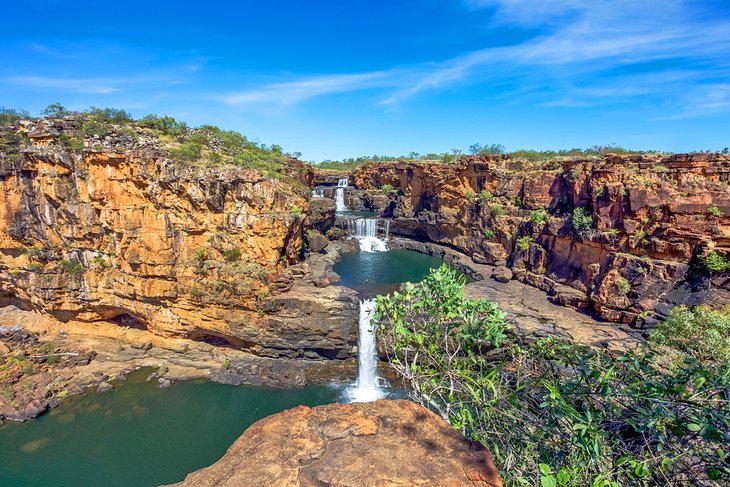
The Kimberley is also home to the spectacular Mitchell Falls and UNESCO-listed Purnululu (Bungle Bungle) National Park. These spectacular beehive-shaped rock formations were only discovered in 1983. Hike the trails, visit sacred Aboriginal ceremonial sites and rock paintings, or soar over the park on a scenic flight and visit the Argyle Diamond


16 Top-Rated Tourist Attractions in India

India is a vibrant land of startling contrasts where both the traditional and modern worlds meet. The world's seventh largest nation by area and the second largest in terms of population, India boasts a rich heritage that's the result of centuries of different cultures and religions leaving their mark

Things to do in India include the opportunity to experience an array of sacred sites and spiritual encounters, while nature lovers will enjoy its sun-washed beaches, lush national parks, and exciting wildlife sanctuaries.

From the magnificent Taj Mahal in Agra to the holy sites of Harmandir Sahib formerly the Golden Temple) in Amritsar and the Mecca Masjid mosque in Hyderabad, visitors to this exotic country will discover a trove of spiritual, cultural, and historical treasures.


To help you make the most of your time in this amazing country, refer often to our list of the top tourist attractions in India 


             1. The Taj Mahal, Agra


      The Taj Mahal, Agra

Perhaps India's most recognizable building, the Taj Mahal is also the world's most famous testimony to the power of love. Named after Mumtaz Mahal, the favorite wife of Emperor Shah Jahan, this most beautiful of mausoleums was begun upon her death in 1631 and took 20,000 workmen until 1648 to complete.


Incorporating many elements of Islamic design including arches, minarets, an onion-shaped dome, and black calligraphy inlaid around the entrance, the Taj Mahal is largely constructed of white marble. Adding to its splendor are delicate inlaid floral patterns and precious and semi-precious stones such as jade, lapis lazuli, diamonds, and mother of pearl.


The best time to visit is either at dawn or dusk when the atmosphere is brilliantly altered by the change in lighting. If possible, try to catch a view of the Taj Mahal's reflection from the far bank of the Yamuna River-it makes for a memorable (and safe) selfie.

     Address: 64 Taj Road, Agra-282001


         2.The Red Fort, New Delhi


    The Red Fort, New Delhi

Built by Shah Jahan in 1648 as the seat of Mughal power – a role it maintained until 1857 – the magnificent crescent-shaped Red Fort in New Delhi, named after the stunning red sandstone used in its construction, covers a vast area of more than two square kilometers, all of it surrounded by a large moat.


Highlights include its two largest gates: the impressive Lahore Gate (the fort's main entrance) and the elaborately decorated Delhi Gate, once used by the emperor for ceremonial processions.

A fun part of a visit is exploring Chatta Chowk, a 17th-century covered bazaar selling everything from jewelry to silk garments, as well as souvenirs and food items. While you can explore the fort yourself, guided tours are offered and provide a fascinating insight into the life and times of the Shah, including a peek into the stunning white marble Hall of Public Audiences (Diwan-i-Am) where he received his subjects.


Hot Tip: Try to stick around for the sound and light show held each evening featuring important events in the fort's history.

Address: Netaji Subhash Marg, Chandni Chowk, New Delhi, Delhi 110006

                 3. The Beaches of Goa

    
 Palm-lined beach in Goa

Long known within India as the "go-to" destination for those seeking a great beach holiday, Goa's beautiful western coastline, overlooking the Arabian Sea, has only recently been discovered by tourists from overseas. Goa's more than 60 miles of coastline is home to some of the world's loveliest beaches, each with their own particular appeal.


For those looking for peace and quiet, isolated Agonda Beach is a good choice, while Calangute Beach is by far the most commercial and crowded. For those in search of posh resorts, yoga getaways, and spa vacations, the beaches of Mandrem, Morjim, and Ashwem are fashionable among wealthy Indians and Westerners alike. Palolem is another one of Goa's popular beaches in a beautiful setting.


While in Goa, be sure to visit the Bhagwan Mahavir Wildlife Sanctuary. This superb attraction is home to thick forests and plenty of fauna, including deer, monkeys, elephants, leopards, tigers, and black panthers, as well as India's famous king cobras, and some 200 species of birds.


Also worth a visit is Divar Island, accessed by ferry from Old Goa. Highlights include Piedade, a typical Goan village and home to the Church of Our Lady of Compassion with its interesting stucco work, Baroque plaster decorations, and altars, as well as stunning views of the surrounding countryside.


                     4. Agra Fort

    Agra Fort


Built as a military structure in 1565 by Emperor Akbar with later additions by Shah Jahan, the stunning Agra Fort (also known as Agra's Red Fort) is an interesting mix of both Hindu and Muslim influences.


Located a little more than two kilometers from the Taj Mahal, the fort is entered through Amar Singh Gate with its low outer wall and dogleg design built to confuse attackers. Once inside, you'll see two large interlinked sandstone buildings, Akbari Mahal and Jahangiri Mahal, the largest private residence in the complex.


Other highlights include the Khas Mahal (Private Palace), with its splendid copper roof, and the Anguri Bagh (Grape Garden), a jigsaw-patterned Mughal garden with numerous wonderful fountains and water channels as well as screens that once offered a private area for the emperor and his entourage. Also of note is the octagonal Musamman Burj tower, which later served as Shah Jahan's prison until his death.


        Address: Rakabganj, Agra, Uttar Pradesh 282003

         5. Mehrangarh Fort, Jodhpur


Mehrangarh Fort, Jodhpur


Dominating the old city of Jodhpur, the massive Mehrangarh Fort, one of the largest fortifications in India, was built in the 15th century to safeguard the people of the famous "Blue City." Jodhpur is still known by this name, which is derived from its indigo-colored houses, painted blue to deflect the heat.


Built on top of a towering outcrop, Mehrangarh is an amazing feat of construction, its massive walls all but impenetrable. Access is via one of seven splendid gates, including Jaya Pol and Fateh Pol (the latter still bears scars from cannon attacks).

Highlights of a visit include exploring the fort's fascinating network of courtyards and palaces, as well as a museum housing a splendid collection of artifacts related to the Maharajas. Be sure to spend time in the historic center of Jodhpur itself, famous for its eight city gates, a lovely old clock tower, and numerous bazaars selling everything from vegetables to sweets, spices, and handicrafts.


        6.Mahabodhi Temple, Bodhgaya

Mahabodhi Temple, Bodhgaya

Bodhgaya, considered the world's holiest Buddhist site, attracts thousands of visitors each year, all drawn to participate with the resident monks in meditation and prayer


The focal point of this place of pilgrimage is stunning Mahabodhi Temple, built next to the very spot where Buddha came to Enlightenment and formulated his philosophy on life. Constructed in the 6th century and restored numerous times since, the temple is topped with a beautiful pyramidal spire and houses a large gilded statue of Buddha.


Also of interest is the site's pipal tree, a descendant of the original bodhi tree where Buddha meditated for seven days after the Enlightenment, said to be among the oldest and most venerated trees in the world (you'll know you've found it when you spot the red sandstone slab marking the spot).

          6.The Holy City of Varanasi


Dating back to the 8th century BC, Varanasi is one of the oldest still inhabited cities in the world. A major pilgrimage center for Hindus, this holy city has long been associated with the mighty Ganges River, one of the faith's most important religious symbols.


Bathing in the Ganges is of great importance to Hindus, and numerous locations known as "ghats" feature stairways leading to the water where the faithful bathe before prayers. The largest are Dasashvamedh Ghat and Assi Ghat. The latter, at the confluence of the Ganges and Asi rivers, is considered particularly holy.


Also worth seeing is Banaras Hindu University, established in 1917 and noted for its massive library with more than a million books, and the superb Bharat Kala Bhavan museum featuring fine collections of miniature paintings, sculptures, palm-leaf manuscripts, and local history exhibits.


                 7.The Golden City: Jaisalmer


The Golden City: Jaisalmer
So named for the yellow sandstone used in most of its buildings, the Golden City of Jaisalmer is an oasis of splendid old architecture that rises from the sand dunes of the Thar Desert. Once a strategic outpost, today the city is filled with splendid old mansions; magnificent gateways; and the massive Jaisalmer Fort, also known as the Golden Fort, a daunting 12th-century structure that rises high above the town.


In addition to its palaces, temples, and fine old homes, the fortress boasts 99 bastions along with massive gates leading to its main courtyard where you'll find the seven-story-tall Maharaja's Palace. Started in the early 1500s and added to by successive rulers right up until the 19th century, the palace offers sections open to the public, including areas beautifully decorated with tiles from Italy and China, and intricately carved stone doors.


There are also a number of Jain temples dating from the 12th to 16th centuries, each decorated with fine marble and sandstone images, palm-leaf manuscripts, and brightly painted ceilings. Be sure to also check out the well-preserved 1,000-year-old library, Gyan Bhandar, with its many 16th-century manuscripts and antiquities.

   8.Harmandir Sahib: The Golden Temple of         Amritsar


Founded in 1577 by Ram Das, Amritsar is an important hub of Sikh history and culture. The main attraction here is Harmandir Sahib, opened in 1604 and still often referred to as the Golden Temple for its beautiful gold decoration.

The holiest of India's many Sikh shrines (it also attracts many Hindus and people of other faiths), the temple was built in a blend of Hindu and Islamic styles. Its lower marble section features such flourishes as ornate inlaid floral and animal motifs, while the large golden dome represents a lotus flower, a symbol of purity to Sikhs.

In addition to its splendid design, visitors are equally impressed with the temple's spiritual atmosphere, an effect enhanced by the prayers continuously chanted from the Sikh holy book and broadcast throughout the complex.

Part of the overall experience – and visitors are welcome to participate – is the chance to enjoy one of the 50,000 free meals the attraction serves up to visitors each and every day.

Address: Golden Temple Road, Amritsar, Punjab 143006

      9. Mumbai: The Gateway of India


Standing an impressive 26 meters tall and overlooking the Arabian Sea, the iconic Gateway of India is a must-see when in Mumbai. Built to commemorate the arrival of King George V and his wife Queen Mary in 1911, this stunning piece of architecture was opened with much pomp and ceremony in 1924 and was, for a while, the tallest structure in the city.

Constructed entirely of yellow basalt and concrete and notable for its Indo-Saracenic design, the Gateway of India was also the scene of a rather less jubilant procession of British soldiers in 1948 when India gained its independence. These days, the huge archway provides a stunning backdrop that is as popular among locals as it is tourists.

Hot Tip: After visiting the Gateway of India, pop over to the adjacent Taj Mahal Palace and Tower for a delectable High Tea, a fun thing to do in Mumbai since this lovely luxury hotel opened in 1903.

              10.Mecca Masjid, Hyderabad


Construction of Hyderabad's Mecca Masjid, one of the world's largest mosques – and one of the oldest in India – began in 1614 during Mohammed Quli Qutub Shah's reign and took almost 80 years to complete.

Large enough to accommodate 10,000 worshipers, this beautiful mosque's 15 enormous arches and pillars were each wrought from single slabs of black granite dragged to the site by huge cattle trains reputedly consisting of up to 1,400 bulls.

Taking its name from the bricks above the central gate that were brought here from Mecca, this impressive complex features highlights such as its main gateway, a huge plaza, and a large manmade pond. There's also a room that houses the hair of Prophet Mohammed.

Other notable features include inscriptions from the Quran above many of the arches and doors, the exquisite roof of the main hall, and the cornices around the entire mosque structure. Look out for the exquisite floral motifs and friezes over the arches.


                  11.Amer Fort, Jaipur


Amer Fort (often also spelt "Amber") was built as a fortified palace in 1592 by Maharaja Man Singh I and has long served as the capital of Jaipur. Carved high up into the hillside, the fort is accessible on foot via a steep climb or by shuttle rides from the town below (better still, let an elephant do the work).

Highlights include Jaleb Chowk, the first courtyard, with its many decorated elephants, and the Shila Devi Temple, dedicated to the goddess of war. Also of note is the adjoining Hall of Public Audience (Diwan-i-Am) with its finely decorated walls and terraces frequented by monkeys.

Other highlights include Sukh Niwas (the Hall of Pleasure) with its many flowerbeds and a channel once used to carry cooling water, and the Temple of Victory (Jai Mandir), notable for its many decorative panels, colorful ceilings, and excellent views over the palace and the lake below.

Just above Amer Fort is Jaigarh Fort, built in 1726 by Jai Singh and featuring tall lookout towers, formidable walls, and the world's largest wheeled cannon. Be sure to also spend time wandering the walled Old City of Jaipur with its three fully restored gates and splendid bazaars, as well as the delightful City Palace, a massive complex of courtyards, gardens, and buildings.

             12.Periyar National Park and Wildlife


One of South India's most popular tourist attractions, Periyar National Park and Wildlife Sanctuary is centered around a lake built by British engineers in 1895 for irrigation and to provide water to the city of Madurai.

Established in 1934, this beautiful park is home to numerous species of mammals, including a large free-roaming Indian elephant population, wild boar, otters, the lion-tailed macaque, and more than 20 Bengal tigers. Bird-watching is a popular activity with frequent sightings of species such as darters, storks, kingfishers, hornbills, and racket-tailed drongos, along with many interesting varieties of butterflies.

The best ways to enjoy the park's splendid mountain scenery are to take a lake cruise or guided jungle walk, the latter allowing visitors a chance to come face to face with elephant herds and observe other wildlife from watchtowers and viewing platforms.

13.The Ellora Caves, Aurangabad


The famous monumental Ellora Caves were built between the 5th and 10th centuries by Buddhist, Jain, and Hindu monks, and make for an excellent excursion from Mumbai, some 300 kilometers to the west.

Now a UNESCO World Heritage Site, this remarkable collection of 34 carved monasteries, chapels, and temples – 12 of them Buddhist, 17 Hindu, and five belonging to the Jain faith – were built in close proximity to each other, a reflection of the religious tolerance that existed during this period of Indian history.

Of the Buddhist monastery caves, highlights include a number of shrines featuring carvings of Buddha and saints dating from the 5th to 7th centuries, as well as the stunning Carpenter's Cave, considered one of the finest in India.

The Hindu caves are much more complex and were carved from the top down, so scaffolding was not necessary. Of these, the best is the Kailasa Temple, an enormous rock-cut temple representing Mount Kailasa and requiring the removal of 200,000 tons of rock.


15 Top-Rated Tourist Attractions in China

Ever since the world first discovered China through the writings of adventurer Marco Polo more than 700 years ago, this large Asian country ...